
EVs
Boston Pilot Pairs Zipcar EVs with Beam Global's Off-Grid Solar Chargers
A new pilot program in Greater Boston combines shared Zipcar EVs with Beam Global off-grid solar chargers to expand clean mobility access in underserved areas.
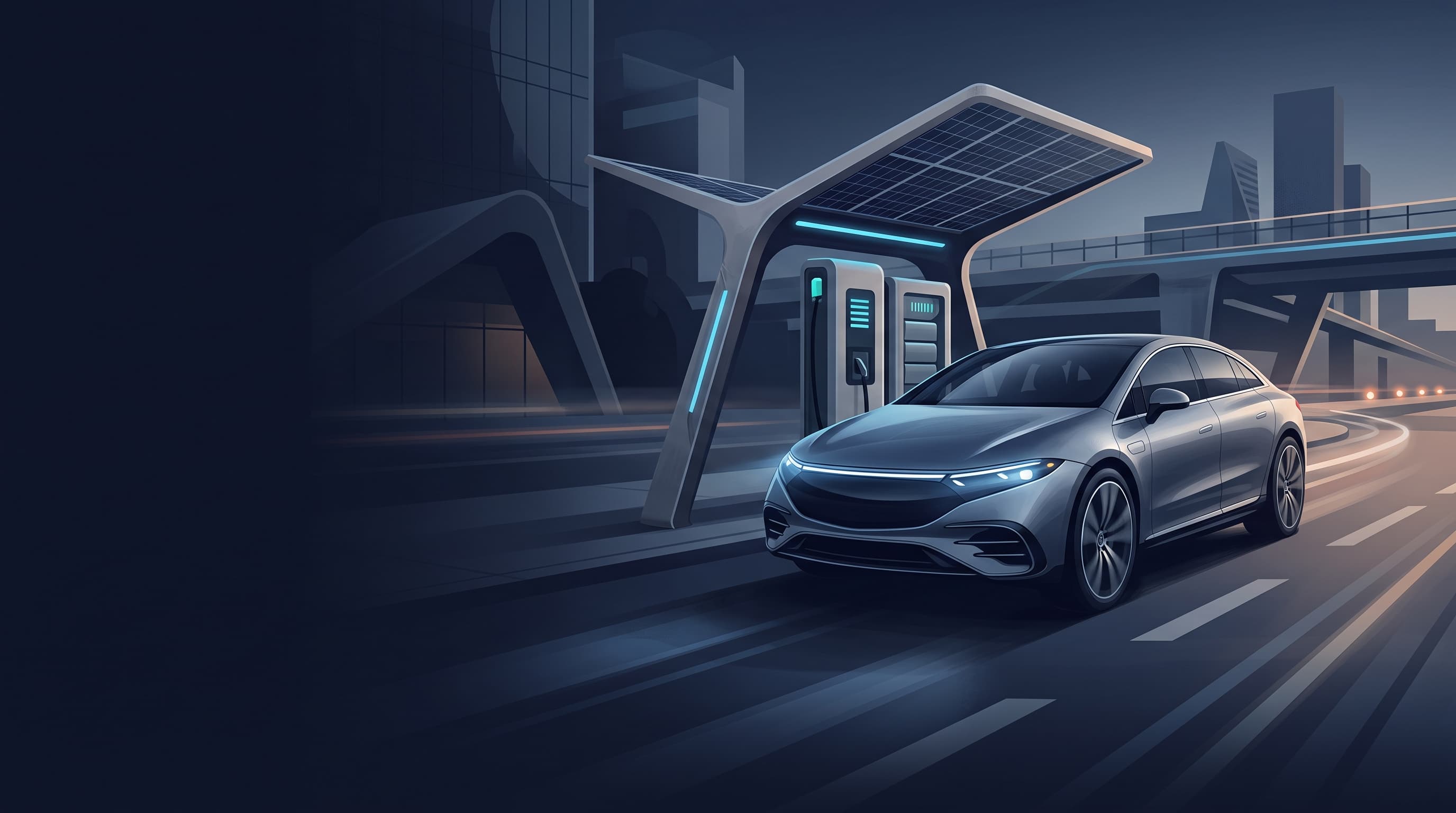
A new initiative in Greater Boston is exploring a fresh solution to expanding electric vehicle access without relying on costly utility upgrades. The Metropolitan Area Planning Council (MAPC) has officially launched the CommunityEV Carshare pilot, combining Zipcar EVs with Beam Global’s off-grid EV ARC charging systems.
Expanding Carsharing to Underserved Communities
The pilot program targets four specific locations across the region: downtown Framingham at the MetroWest Regional Transit Authority, the Chelsea Housing Authority, the Boston Housing Authority, and downtown Quincy. The initiative is structured to bring affordable, clean carsharing to communities that have historically lacked these options.
Through the program, eligible Zipcar members can reserve the shared EVs at a discounted rate ranging between $11 and $13 an hour.
Off-Grid Solar Tech Cuts Infrastructure Hurdles
To power these vehicles, MAPC turned to Beam Global's EV ARC systems. Because these chargers are off-grid, they generate and store their own electricity. They do not require a grid connection, trenching, electrical work, or additional construction. This self-contained setup allows for much faster deployment in sites where installing a standard, grid-connected charger would be financially or logistically impractical.
According to Beam, each EV ARC unit is capable of charging two vehicles simultaneously and can generate enough solar power to supply up to 265 miles of driving daily. Because the electricity is generated directly on-site, the chargers operate with no per-kilowatt-hour electricity costs and create zero added demand on the local power grid.
To manage upfront infrastructure expenses, MAPC is renting the EV ARC systems, which provides Beam with a recurring revenue stream while lowering initial pilot costs.
Alignment with Driving Habits
The operating characteristics of off-grid solar chargers align neatly with carsharing usage patterns. According to the US Department of Transportation, household vehicles spend roughly 95% of their time parked. Furthermore, data shows the median trip in Zipcar’s Boston EV fleet covers just 25.5 miles. Because the vehicles remain parked for long stretches between brief trips, the solar units have ample time to recharge the fleet's batteries.
“We are excited that this program will pilot EV charging without lengthy and expensive construction, as well as promote EV carsharing to underserved communities,” said MAPC executive director Lizzi Weyant.
Broader Environmental Context
Addressing vehicle emissions remains a priority for the state. Transportation is currently the largest source of greenhouse gas emissions in Massachusetts, accounting for 38% of the state's total. Massachusetts has established a formal target to achieve net-zero emissions by 2050.
The CommunityEV Carshare pilot will evaluate whether pairing shared electric vehicles with fast-deploying, off-grid solar charging can successfully broaden access to clean transportation. If the pilot is deemed successful, stakeholders may roll out the model to additional communities where charging options and carsharing services remain limited.
Get launch updates and ownership notes in your Garage.