
New Releases
2027 Ford E-Transit Preview: Clean Electric Utility for Dedicated Fleets
The 2027 Ford E-Transit brings clean, quiet operation to the commercial work van segment, swapping a traditional gasoline V-6 for an electric motor.
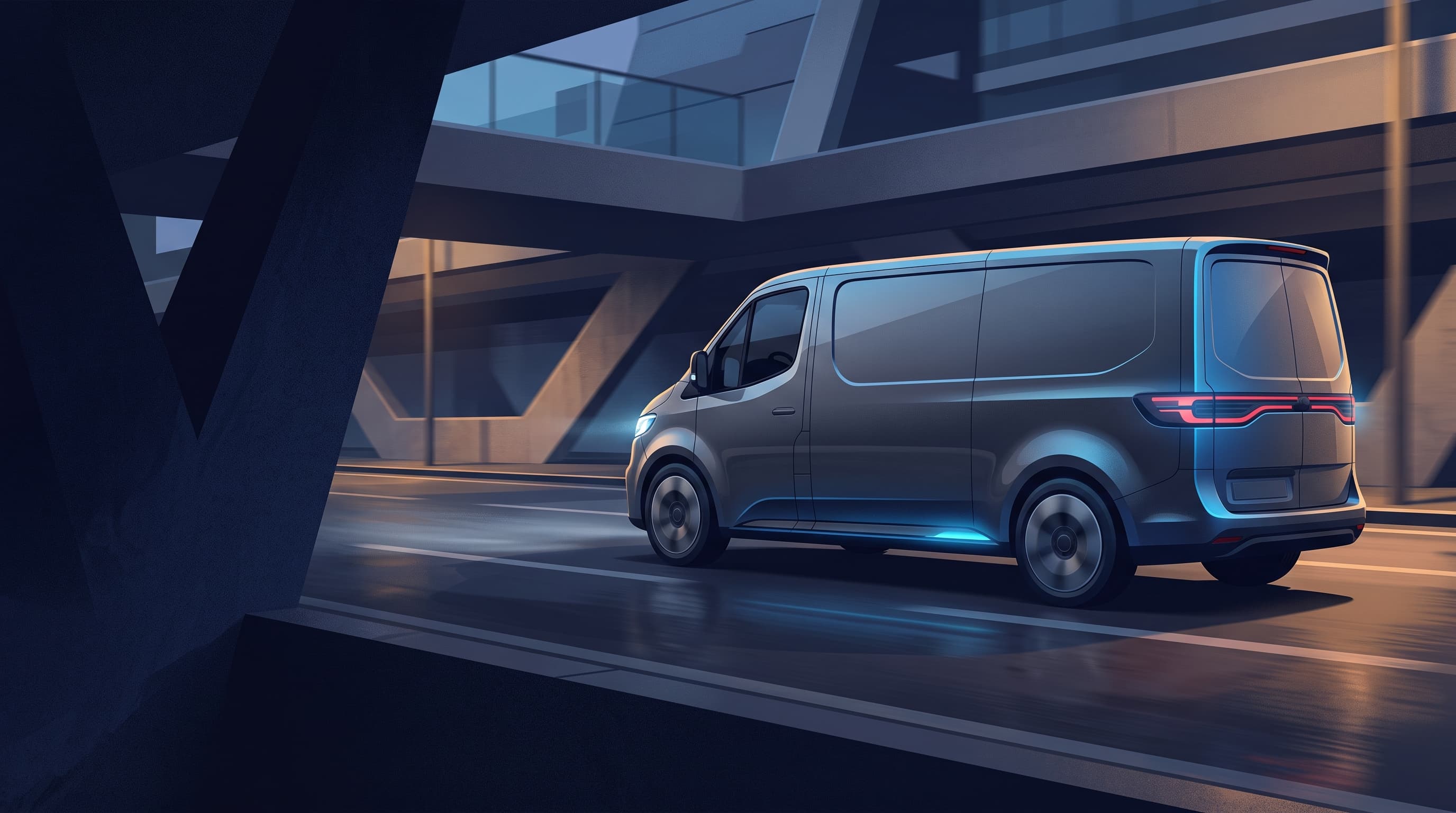
For businesses searching for a tailpipe emission-free box on wheels to transport gear or deliver packages, the 2027 Ford E-Transit offers an all-electric alternative to traditional work trucks. Essentially an electric adaptation of Ford's popular Transit van, the E-Transit trades a conventional gasoline V-6 for a single electric motor, providing quiet operation alongside clean performance.
Powertrain and Driving Dynamics
The E-Transit uses a single electric motor powering the rear wheels, generating 266 horsepower and 317 pound-feet of torque. While it yields a few horsepower to the standard gas-powered Transit's 275-hp V-6, the electric motor's 317 lb-ft of torque easily surpasses the gas engine's 262 lb-ft output. Additionally, full torque is available immediately at step-off, whereas the gasoline V-6 requires spinning up to 3750 rpm to achieve its peak torque.
To manage the battery-powered layout, Ford revised the E-Transit's suspension system relative to the gasoline model in an effort to enhance handling. While the interior retains a spartan feel aligned with its utilitarian purpose, Car and Driver notes that the van's relatively compliant suspension tune and carlike cabin elements help make it a better on-road companion than a typical work truck.
Range, Charging, and Capabilities
Power comes from an 89.0-kWh lithium-ion battery, delivering up to an EPA-estimated 159 miles of driving range on a full charge. Because of this range cap, the E-Transit is best suited for operators with fixed routes who have charging setups at work or home. Ford supplies a mobile kit for home charging, as well as a more powerful garage station. Plugged into a 180-kW or better DC fast charger, the van can gain 67 miles of range in 15 minutes, while Level 2 charging fully replenishes the battery in as little as six hours.
Unlike its internal-combustion sibling, the E-Transit functions strictly as a dedicated work van. Seating is restricted to the two front seats, with an option to delete the passenger seat down to just one seat. Cargo dimensions vary by body style:
- Long Body, Low Roof: 312 cubic feet
- Long Body, Medium Roof: 401 cubic feet
- Long Body, High Roof: 453 cubic feet
- Extended-Length, High Roof: 536 cubic feet
Max payload ratings span between 3320 and 4201 pounds depending on configuration. While Ford of Europe lists a maximum towing capacity of 4409 pounds for overseas variants, Ford's American arm does not recommend towing with the U.S.-spec E-Transit.
How does that compare to the competitive landscape? Car and Driver points out that the more expensive Mercedes-Benz eSprinter delivers a payload capacity between 2624 and 3516 pounds and can tow up to 4277 pounds while providing higher range figures. Meanwhile, the Ram ProMaster EV manages a payload of 2030 or 3020 pounds depending on whether buyers choose the Delivery or Cargo variant, and like the Ford, it is not recommended for towing.
Technology and Safety Features
Inside, every E-Transit cargo van features a 12.0-inch infotainment screen running Ford's Sync 4 operating system. An onboard 4G LTE modem establishes a Wi-Fi hotspot, and fleet managers receive a complimentary three-year subscription to Ford Pro E-Telematics for tracking and vehicle data monitoring. To help preserve driving range, a preconditioning feature allows drivers to set the climate control while the vehicle remains connected to the charger.
Standard basic driver-assistance features come on every model, with available safety upgrades including adaptive cruise control, blind-spot monitoring, and a 360-degree camera system.
Warranty Coverage
Ford covers the E-Transit with standard warranty coverage matching industry norms, supplemented by an eight-year/100,000-mile warranty specifically for battery components. Ford does not include complimentary scheduled maintenance.
Get launch updates and ownership notes in your Garage.