
New Releases
Electrifying the Legacy: What We Know About the Upcoming BMW M3 EV
BMW is developing its first ground-up electric M car, an 800-volt sports sedan packing four electric motors and cutting-edge digital tech.
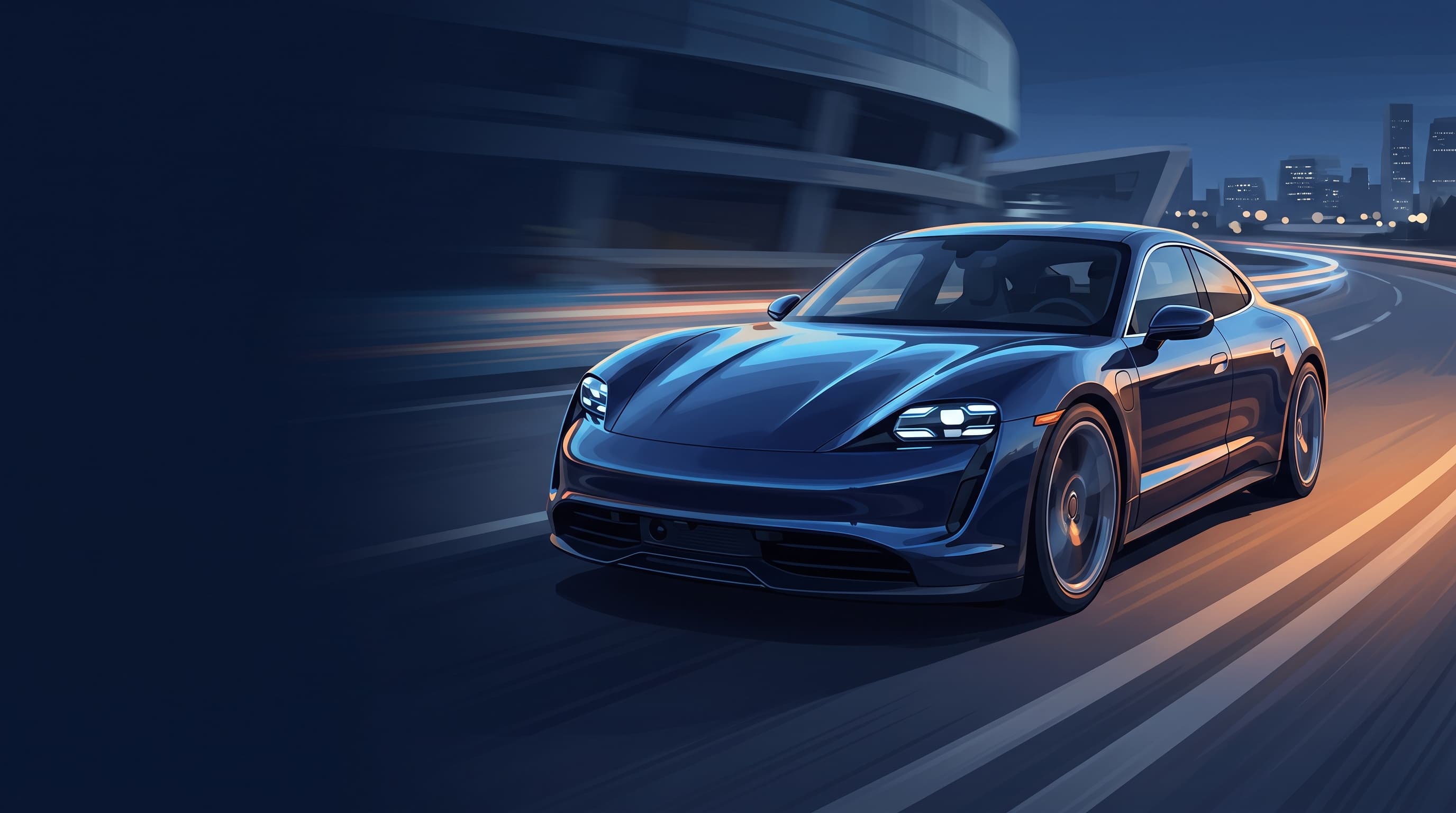
BMW is preparing its biggest attempt to woo electric-car buyers to date with the upcoming BMW M3 EV sports sedan. Serving as the manufacturer's first inception-to-showroom production electric M car, the new model carries styling derived from the standard i3. However, it sets itself apart visually with M-specific fender bulges, aero enhancements, and racier-looking exterior lighting elements. Purists can take comfort in knowing that BMW says the M3 EV will coexist with a gasoline-powered M3, which Car and Driver reports should arrive in showrooms ahead of the electric model.
Next-Gen Architecture and Performance
Production for the new M3 EV is expected to begin sometime in 2027. Underneath its sculpted body, the electric sports sedan will ride atop BMW's new EV platform. Like the i3 and BMW's other Neue Klasse models, the M3 EV features an 800-volt architecture alongside batteries that offer 20 percent higher energy density than past EVs.
Powering the M3 EV will be four electric motors, and BMW is actively working on its next-generation electric motors. The M division has been experimenting with ways to ensure the car retains a distinct performance advantage over its rivals. According to Car and Driver, it is a good bet that the base M3 EV will pack over 600 horsepower, while a range-topping CS trim could crest the 1000-horsepower mark. To manage all this capability, the vehicle utilizes BMW's "Heart of Joy" control unit and software, an integrated system that handles drivetrain, braking, charging, regeneration, and steering functions.
Concept Insights and Interior Tech
Inside the cabin, the M3 EV features BMW's latest digital dashboard equipped with a trapezoidal infotainment display. Concept imagery reveals deeply bucketed performance seats with five-point safety harnesses, a pair of rear bucket seats, and a cloth trim piece on the dashboard with multi-colored ambient backlighting. However, production models are expected to sport normal chairs, standard seatbelts, and at least an optional three-across rear bench. For utility, storage is expected in both the trunk and the front trunk.
The interior technology suite emphasizes visibility and personalization. The main touchscreen includes a matrix backlight for easy reading in all lighting conditions. Above it, BMW's Panoramic Vision system projects key information across the lower part of the windshield from A-pillar to A-pillar. Driver-critical info sits on the left, while central and right-hand zones are visible to all passengers and can be personalized.
Drivers can drag and drop up to six widgets from the infotainment screen directly onto the Panoramic Vision display, with further screen adjustments available via steering wheel buttons. Additional tech options include an available head-up display and the ability to program smartphones and smartwatches from all leading manufacturers to act as the vehicle key.
BMW M vehicles have cultivated a devoted following for their performance, and the brand is taking deliberate steps to protect that legacy as power transitions from gasoline to electrons.
Get launch updates and ownership notes in your Garage.